
Pure Essential Oils in Australia: Your Complete Guide to Natural Aromatherapy
Pure essential oils have grown in popularity across Australia as an accessible, natural way to support wellbeing. These concentrated plant extracts are prized for their aromatic and therapeutic properties, and people use them for everything from mood support to targeted skin care. This guide explains what pure essential oils are, how they’re produced and sourced here in Australia, which oils are most useful for health and skin, and practical tips for safe, effective use. You’ll also read why choosing organic, sustainably sourced options—such as those from Australian Oils of Nature—makes sense for both results and responsibility.
What Are the Pure Essential Oils and How Are They Sourced in Australia?
Pure essential oils are concentrated volatile extracts taken from plant parts like leaves, flowers, bark, roots and peels. They concentrate the plant’s scent and active components, which is why they’re useful in aromatherapy and natural health. In Australia, common extraction techniques include steam distillation and cold pressing; both aim to capture the plant’s beneficial compounds without degrading them. Responsible sourcing matters: it protects native species, supports local growers, and preserves habitats so these plants remain available for future generations.
Understanding 100% Pure versus “Therapeutic Grade” Essential Oils
When shopping for oils you’ll often see terms like “100% pure” and “therapeutic grade.” 100% pure means the oil comes directly from plant material with no added synthetics or diluents. “Therapeutic grade” is a marketing term—some brands use it to suggest higher quality, but it isn’t a regulated standard. Extraction method (for example, steam distillation or cold pressing) and transparent sourcing practices are better indicators of quality than labels alone. Knowing these differences helps you pick oils that are both effective and honest about their origins.
Sustainable and Ethical Sourcing Practices from Native Australian Plants
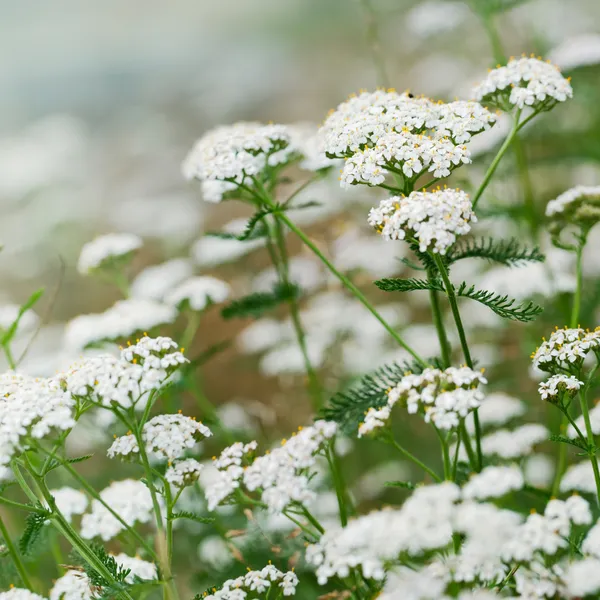
Sourcing essential oils ethically and sustainably is central to long-term quality. Producers who prioritise sustainability protect biodiversity, use low-impact harvest methods, and work with local communities. That means practices like selective harvesting, replanting, and fair-pay arrangements for growers—steps that protect ecosystems and livelihoods alike.
Choosing oils made from native Australian plants also offers distinctive aromatic and therapeutic profiles shaped by our unique climate and soils. Supporting brands that follow responsible sourcing ensures those benefits remain available while helping preserve natural landscapes.
Which Essential Oils Offer the Best Benefits for Health and Skin?
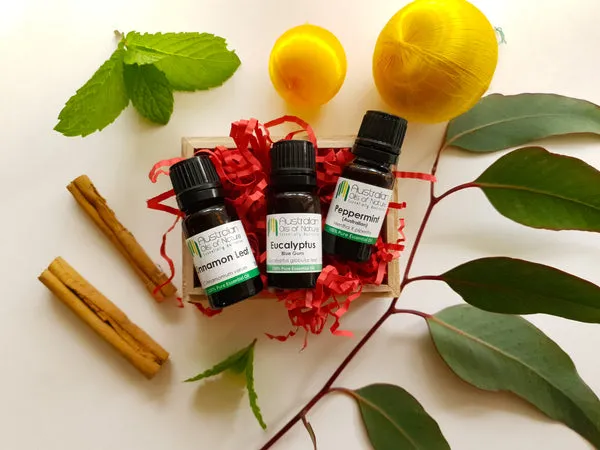
Certain essential oils are well regarded for their health and skin-supporting benefits. Below are some commonly used favourites and why people reach for them:
- Lavender Oil: Calming and balancing, lavender is often used to ease anxiety, promote restful sleep and support minor skin irritations thanks to its gentle antiseptic qualities.
- Tea Tree Oil: Valued for strong antibacterial and antifungal activity, tea tree is a go-to for blemishes, fungal issues and as a natural surface disinfectant when properly diluted.
- Eucalyptus Oil: Recognised for respiratory support, eucalyptus helps clear congestion and soothe tightness; it also has anti-inflammatory qualities useful for muscle discomfort.
If you’re looking for reliable, high-quality oils that capture these benefits, Australian Oils of Nature offers a curated range sourced with care and transparency.
Therapeutic Properties of Popular Oils: Lavender, Tea Tree, and Eucalyptus
The effects of essential oils trace back to their chemical constituents. Lavender contains compounds such as linalool and linalyl acetate, which are linked to relaxation and a mild antiseptic action. Tea tree’s antimicrobial strength comes from terpinen-4-ol, effective against many common skin microbes. Eucalyptus is rich in eucalyptol (cineole), the component that helps with respiratory comfort and provides its fresh scent. Understanding these profiles helps you select the right oil for a specific purpose.
Natural Essential Oils for Skin Care and Wellness Applications
Integrating essential oils into skincare and wellness routines can be straightforward. Lavender blends well into creams and lotions for soothing and scent; diluted tea tree can target acne-prone skin; eucalyptus is ideal for steam inhalation to support breathing. Always dilute with a suitable carrier oil and patch-test first to avoid irritation and ensure safe, pleasant results.
How Can You Use Pure Essential Oils Safely and Effectively?
Essential oils are concentrated and should be handled with care. Diluting oils in a carrier such as fractionated coconut oil, jojoba or sweet almond oil reduces the risk of irritation when used on skin. Start with low concentrations, perform a patch test, and follow recommended dilution guides—especially for children, pregnant people, or those with sensitive skin.
Guidelines for Safe Aromatherapy and Topical Use
Simple, practical safety steps make aromatherapy both enjoyable and effective:
- Dilution: Always blend essential oils into a carrier oil before applying to skin, following suggested dilution ratios.
- Inhalation: Use a diffuser or add a few drops to hot water for steam inhalation—keep exposure moderate and ventilate the room.
- Avoid Sensitive Areas: Keep oils away from eyes, inner ears and other mucous membranes, and wash hands after application.
Following these practices helps you enjoy essential oils with confidence.
Common Safety Precautions and Usage Tips for Beginners
New to essential oils? These basics will help you get started safely:
- Start Small: Begin with one or two drops and increase only if needed.
- Learn About Each Oil: Read about each oil’s effects and any contraindications before use.
- Seek Advice: Consult a healthcare professional if you have medical conditions, take medications, or are pregnant or breastfeeding.
Taking these precautions reduces risk and makes for a more positive experience with essential oils.
Why choose the Organic and Sustainable Essential Oils from Australian Oils of Nature?
Choosing organic, sustainably produced essential oils matters for both quality and ethics. Organic oils are made without synthetic pesticides or solvents, resulting in a cleaner, more natural product. Sustainable sourcing protects ecosystems and supports the growers who supply the botanicals. Australian Oils of Nature focuses on these principles, offering oils that are both effective and responsibly produced.
Commitment to Purity, Ethical Production, and Environmental Responsibility
Australian Oils of Nature emphasises purity and ethical practices: sourcing from certified organic farms, using low-impact extraction methods, and favouring recyclable packaging. They also work with local growers under fair conditions, helping to ensure transparent supply chains and reduced environmental footprint.
Certifications and Customer Reviews Supporting Brand Trust
Certifications and customer feedback help validate a brand’s claims. Australian Oils of Nature highlights recognised certifications and shares reviews from customers who note the oils’ aromas and effectiveness—both useful reference points when choosing a trusted supplier.
Where and how to Buy Pure Essential Oils Online in Australia?
Purchasing pure essential oils online in Australia is straightforward when you prioritise reputable suppliers. Keep a few simple checks in mind to make sure you receive authentic, high-quality oils.
- Research Suppliers: Look for brands that publish sourcing, extraction and testing information.
- Read Product Details: Choose products labelled as 100% pure, and check for organic certification where possible.
- Check Customer Feedback: Reviews can give insight into aroma, effectiveness and service quality.
Navigating the Product Catalogues and Selecting the Right Oils
When browsing a catalogue, read descriptions that explain each oil’s origin and suggested uses. Match oils to your goals—whether skin support, relaxation, or respiratory relief—and select appropriate sizes and formats for your needs.
Ordering the Process and Delivery Options from Trusted Australian Suppliers
Ordering typically involves selecting your oils, adding them to cart and completing checkout with delivery options to suit your schedule. Reliable suppliers package oils securely and provide tracking so your order arrives safely. Choosing a reputable Australian seller helps ensure quality, clear communication and convenient delivery.
Frequently Asked Questions
What are the differences between essential oils and fragrance oils?
Essential oils are natural extracts taken from plant material and often used for their aromatic and therapeutic properties. Fragrance oils are usually synthetic or blended to create a particular scent and do not carry the same therapeutic constituents. If you want the health-related benefits of plant extracts—aromatherapy, mild antiseptic or respiratory support—choose essential oils rather than fragrance oils.
Can essential oils be used for pets?
Some essential oils can benefit pets in small, carefully controlled ways, but many oils can be harmful to animals—especially cats and small mammals. Oils like lavender or chamomile are sometimes used cautiously, while tea tree and eucalyptus can be toxic. Always consult a veterinarian before using essential oils around pets, and never apply undiluted oils directly to an animal.
How can I incorporate essential oils into my daily routine?
There are easy, safe ways to add essential oils to daily life: diffuse a calming blend at night, add a drop of lavender to your pillowcase, mix a diluted oil into your moisturizer, or use eucalyptus in a steam inhalation when you need respiratory support. Start slowly and keep notes on what works best for you.
Are there any side effects associated with using essential oils?
Yes—essential oils can cause skin irritation, allergic reactions or respiratory sensitivity if misused. Proper dilution, patch testing, and awareness of contraindications (for pregnancy, certain medical conditions or medications) greatly reduce these risks. If you experience adverse effects, stop use and seek medical advice.
What is the shelf life of essential oils?
Shelf life varies by oil and storage conditions. Most essential oils keep well for 1–3 years when stored in a cool, dark place in a tightly sealed bottle. Citrus oils tend to oxidise faster, while woody oils such as patchouli and sandalwood often last longer. Check for changes in colour, scent or consistency as signs the oil may have degraded.
Can essential oils help with stress and anxiety?
Many people find essential oils helpful for stress relief. Lavender, chamomile and bergamot are commonly used to promote relaxation and reduce tension. Using a diffuser, adding oils to a warm bath, or applying diluted blends to pulse points can support calmness—though individual responses vary, so experiment to find what helps you most.
What should I look for when purchasing essential oils?
Look for transparency and quality: labels that state the botanical name (Latin name), country of origin, extraction method, and whether the oil is 100% pure or certified organic. Avoid products with vague ingredient lists or hidden additives. Customer reviews and clear sourcing information—like that provided by Australian Oils of Nature—can also guide a confident purchase.
Conclusion
Pure essential oils can be a valuable addition to a natural wellness routine when chosen and used thoughtfully. Opting for organic, sustainably sourced oils supports both your health and the environment, and working with reputable brands like Australian Oils of Nature helps ensure quality and ethical practice. Explore different oils, start gently, and build a routine that enhances your wellbeing naturally.