
How to Create Relaxing Essential Oil Diffuser Blends at Home
Creating a calming atmosphere at home can significantly enhance your well-being, and one of the most effective ways to achieve this is through essential oil diffuser blends. These blends not only fill your space with delightful aromas but also offer various therapeutic benefits that can promote relaxation and improve sleep quality. In this guide, you will learn how to create relaxing essential oil diffuser blends at home, including the best oils to use, their properties, and step-by-step recipes. Many people struggle with stress and anxiety, and using essential oils can provide a natural solution to these common issues. This article will cover essential oils for relaxation, their therapeutic properties, safety tips for diffusers, and how to combine oils for maximum benefits.
Which Essential Oils Are Best for Relaxation and Sleep?
When it comes to relaxation and sleep, certain essential oils stand out for their calming properties. The following oils are particularly effective:
- Lavender: Known for its soothing effects, lavender oil can help reduce anxiety and promote restful sleep.
- Chamomile: This gentle oil is renowned for its calming properties, making it ideal for relaxation.
- Bergamot: With its uplifting scent, bergamot can alleviate stress and anxiety, enhancing your overall mood.
These essential oils can be blended to create a harmonious, relaxing atmosphere in your home.
What Are the Therapeutic Properties of Lavender and Chamomile Oils?
Lavender and chamomile essential oils are celebrated for their therapeutic benefits.
Lavender oil is particularly effective in reducing stress and promoting restful sleep. Its calming aroma can help lower heart rate and blood pressure, making it a popular choice for those seeking relaxation. Chamomile oil, on the other hand, is known for soothing irritated skin and promoting a sense of calm. It can also help reduce anxiety and improve sleep quality, making it a perfect companion to lavender in diffuser blends.
Aromatherapy with these oils can significantly improve sleep quality and reduce anxiety levels.
How Do Eucalyptus and Bergamot Enhance Calming Diffuser Blends?
Eucalyptus and bergamot essential oils can significantly enhance the calming effects of diffuser blends.
Bergamot oil is known for its ability to lessen stress and anxiety, making it a valuable addition to any relaxing blend. Its citrusy scent can uplift the mood while promoting a sense of tranquillity. Eucalyptus oil, with its fresh, invigorating aroma, helps clear the mind and enhance focus. This combination of oils can create a balanced atmosphere that promotes relaxation and enhances mental clarity.
How to Safely Use Essential Oil Diffusers at Home
Using essential oil diffusers safely is crucial for maximising their benefits while minimising any potential risks. Here are some essential safety tips:
- Use high-quality oils: Always choose pure, therapeutic-grade essential oils to ensure safety and effectiveness.
- Follow manufacturer instructions: Each diffuser may have specific guidelines for use, including the amount of water and oil to use.
- Be mindful of sensitivities: Some individuals may have sensitivities to certain oils, so it's important to test a small amount first.
By following these simple guidelines, you can safely and effectively enjoy the benefits of essential oil diffusers.
What Are the Recommended Diffuser Types and Usage Durations?
There are several types of essential oil diffusers available, each with its own advantages.
- Ultrasonic diffusers: These use water and vibrations to disperse essential oils into the air, providing a humidifying effect.
- Nebulising diffusers: These do not require water and deliver pure essential oil into the air, making them ideal for therapeutic use.
For best results, it’s a good idea to run your diffuser for 30-60 minutes at a time, with breaks in between to prevent overstimulation.
Are Essential Oils Safe Around Pets and Children?
When using essential oils around pets and children, safety is very important.
Some oils are safe when properly diluted, while others should be avoided altogether. For example, lavender and chamomile are generally considered safe for use around children, but oils like tea tree and eucalyptus can be harmful to pets. It’s always best to check with a veterinarian or paediatrician before using essential oils in homes with pets or young children.
What Are Step-by-Step Recipes for DIY Relaxing Essential Oil Diffuser Blends?
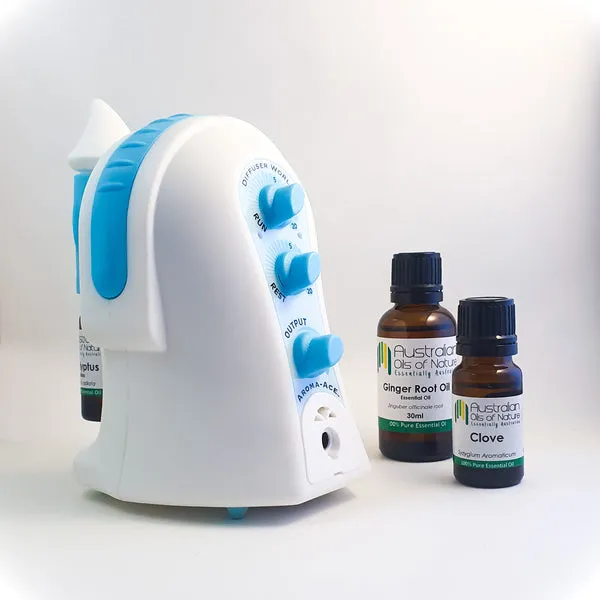
Creating your own relaxing essential oil diffuser blends is simple and rewarding. Here are a few recipes to get you started:
- Calming Lavender Blend: 3 drops of lavender oil, 2 drops of chamomile oil, 1 drop of bergamot oil
- Soothing Sleep Blend: 4 drops of lavender oil, 3 drops of chamomile oil, 2 drops of frankincense oil
- Stress Relief Blend: 3 drops of bergamot oil, 2 drops of eucalyptus oil, 2 drops of lavender oil
These blends can be adjusted based on personal preference and the size of your diffuser.
How to Combine Pure Australian Oils for Natural Sleep Aid Blends?

Combining pure Australian oils can create effective natural sleep aid blends.
For instance, a blend of lavender and ylang-ylang can promote deep sleep, while frankincense can help relieve stress. These oils work together to enhance relaxation and improve sleep quality, making them ideal for nighttime use.
Which Blend Ratios Maximise Aromatherapy Benefits?
To get the most from your essential oil blends, consider these general ratios:
- A common ratio for topical use is 10% essential oil to 90% carrier oil.
- For diffusing, start with 5-10 drops of essential oil per 100ml of water, adjusting to your liking.
Feel free to experiment with different ratios to find what works best for you.
Why Choose 100% Pure and Sustainably Sourced Essential Oils?
Choosing 100% pure and sustainably sourced essential oils is important for quality and effectiveness.
High-quality oils offer better therapeutic benefits and are free from synthetic additives. Supporting sustainable sourcing also helps protect the environment and supports local farmers, ensuring the oils you use are both effective and ethically produced.
How Does Ethical Sourcing Impact Oil Purity and Effectiveness?
Ethical sourcing plays a key role in the purity and effectiveness of essential oils.
When oils are sourced responsibly, the plants are harvested sustainably, preserving their natural qualities. This not only improves the quality of the oils but also supports the communities involved in their production, benefiting both consumers and producers.
What Makes Australian Oils of Nature’s Products Trusted by Customers?
Australian Oils of Nature offers pure, high-quality essential oils focused on natural health and aromatherapy.
Customers appreciate their commitment to quality and sustainable sourcing. Positive experiences and the effectiveness of their oils have built a strong reputation as a reliable source for essential oils.
What Are the Health and Wellness Benefits of Aromatherapy Diffuser Recipes?
Aromatherapy diffuser recipes provide many health and wellness benefits.
Essential oils can help relieve stress, improve sleep quality, and freshen the air. Their calming scents also boost mood and promote relaxation, making them a great addition to any wellness routine.
How Do Relaxing Blends Support Mental Wellness and Stress Relief?
Relaxing essential oil blends can greatly support mental wellness and stress relief.
The soothing properties of oils like lavender and chamomile help balance emotions and promote physical relaxation. Using these blends regularly can improve mental clarity and reduce anxiety.
Can Aromatherapy Enhance Skincare and Natural Health Routines?
Aromatherapy can enhance skincare and natural health routines.
Essential oils have properties that improve skin health, such as anti-inflammatory and antibacterial effects. Their calming scents also promote relaxation and emotional well-being, making them a valuable part of any holistic health approach.
About the Author and Expertise
This article was prepared by a team of aromatherapy and natural wellness enthusiasts dedicated to sharing helpful information on essential oils and their uses. While the content reflects common aromatherapy practices, it’s always a good idea to consult qualified healthcare professionals or certified aromatherapists for personalised advice, especially when using essential oils for health purposes. Our aim is to support your wellness journey with safe and effective practices.
Frequently Asked Questions
Can I use essential oils in a humidifier instead of a diffuser?
While some might consider using essential oils in a humidifier, it’s generally not recommended. Humidifiers are designed to disperse water vapour and may not effectively diffuse essential oils, which can damage the device. Also, the heat from some humidifiers can alter the properties of the oils, reducing their benefits. It’s best to use a diffuser made specifically for essential oils to ensure safety and effectiveness.
How often should I change the water in my diffuser?
It’s a good idea to change the water in your diffuser after each use. This helps prevent bacterial growth and ensures the oils disperse properly. If you use your diffuser several times a day, clean it thoroughly at least once a week to keep it working well and to enjoy the best aromas.
Are there any essential oils I should avoid using together?
Yes, some essential oils have conflicting effects and should not be blended. For example, mixing stimulating oils like peppermint with calming ones like lavender might reduce the intended benefits. Some combinations can also cause skin irritation or allergies. It’s important to research each oil’s properties and do a patch test before trying new blends, especially if you have sensitive skin or allergies.
How can I enhance the effects of my essential oil blends?
To boost the effects of your essential oil blends, try combining them with practices like meditation, yoga, or deep breathing while diffusing. Creating a peaceful setting with soft lighting and calming music can also enhance relaxation. Using high-quality oils and experimenting with different ratios will help you find the most effective blend for your needs.
What should I do if I experience an adverse reaction to an essential oil?
If you experience skin irritation, headaches, or breathing difficulties, stop using the oil immediately. Rinse the affected area with a carrier oil, such as coconut or olive oil, to dilute the essential oil and ease irritation. If symptoms continue or worsen, seek medical advice. It’s also wise to consult a healthcare professional before using essential oils, especially if you have health conditions or are pregnant.
Can I use essential oils for children and infants?
Yes, but with care. Always dilute essential oils with a carrier oil before applying to a child’s skin, and check with a paediatrician about safe oils and dilutions. Generally, lavender and chamomile are safe for children, while oils like eucalyptus and peppermint should be avoided. Always do a patch test to check for sensitivities before using oils more widely.