
Best Carrier Oils for Skin and Hair: How to Choose the Right One
Carrier oils play a crucial role in skincare and haircare, serving as the foundation for many beauty products. These oils are derived from plant fatty portions and are essential for diluting essential oils, making them safe for topical application. In this article, we will explore the best carrier oils for skin and hair, how to choose the right one, and the benefits of using 100% pure and organic options. Many individuals struggle to find the right products for their specific skin and hair types, leading to ineffective results. By understanding the properties of various carrier oils, you can make informed choices that enhance your natural beauty. We will cover the differences between carrier oils and essential oils, the benefits of organic options, and practical tips for safe usage.
Indeed, the broad spectrum of benefits offered by plant-derived oils makes them indispensable for overall well-being.
Plant Oils: Natural Benefits for Skin and Hair Growth
Plant oils have become popular for cosmetic and skin care purposes due to their many health benefits. They may improve skin health, promote hair growth, fight against pathogens, and provide antioxidant effects.
What Are Carrier Oils and Why Are They Essential for Skin and Hair Care?
Carrier oils are vegetable oils derived from the fatty parts of plants, such as seeds, nuts, and kernels. They are essential for diluting highly concentrated essential oils, which can cause skin irritation if applied directly. By mixing essential oils with carrier oils, you can safely enjoy their therapeutic benefits while nourishing your skin and hair. Carrier oils also provide hydration, improve skin texture, and promote overall health. Understanding their importance is key to optimising your skincare and haircare routines.
How Do Carrier Oils Differ from Essential Oils?
Carrier oils and essential oils serve different purposes in skincare and haircare. While carrier oils are derived from the fatty parts of plants and are used to dilute essential oils, essential oils are concentrated extracts that capture the plant's aroma and therapeutic properties. Carrier oils are typically heavier and provide moisture, while essential oils are lighter and more volatile. This distinction is crucial for effective application, as using essential oils without dilution can lead to skin irritation. Knowing how to properly use both types of oils can enhance your beauty regimen.
Diluting essential oils with carrier oils is an important safety step to prevent skin reactions.
Carrier Oils: Dilution for Safe Essential Oil Use
Essential oils are usually diluted into a base oil to reduce the risk of skin irritation and other adverse effects.
What Are the Benefits of Using 100% Pure and Organic Carrier Oils?
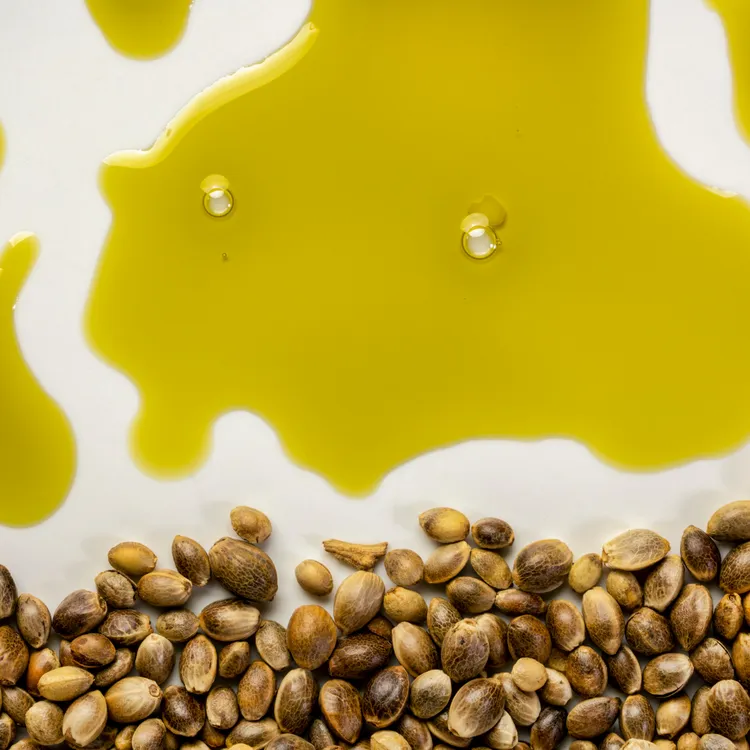
Using 100% pure, organic carrier oils offers numerous benefits for your skin and hair. These oils are free of synthetic additives and chemicals, ensuring you apply only the best ingredients to your body. The benefits include:
- Purity and Quality Assurance: Organic carrier oils are sourced from plants grown without pesticides or other harmful chemicals, ensuring a higher-quality product.
- Versatility in Use: They can be used for a variety of applications, including massage, skincare, and hair treatments.
- Sustainability and Ethical Sourcing: Many organic oils are produced sustainably, benefiting both the environment and local communities.
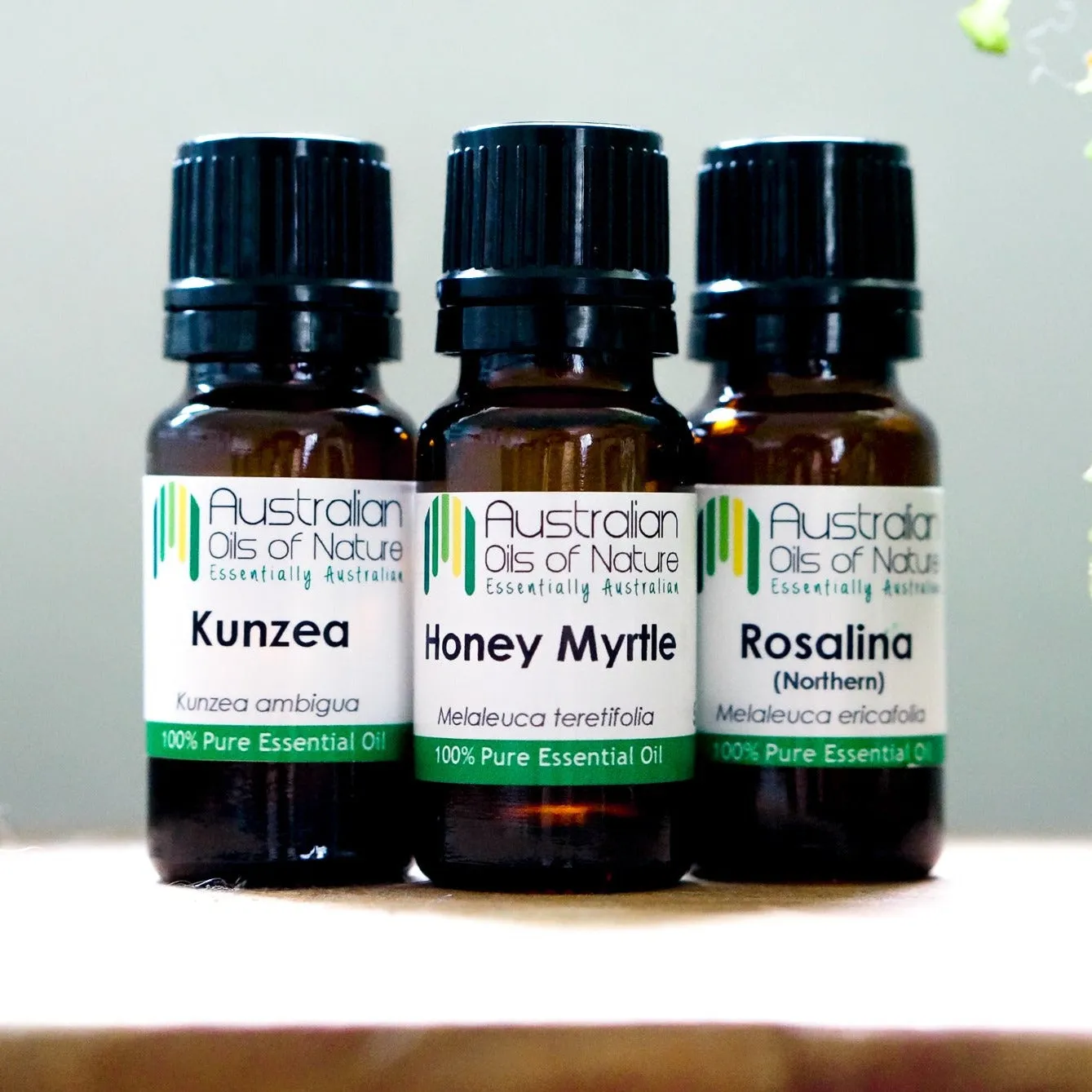
For those looking to enhance their beauty routine, Australian Oils of Nature offers a range of sustainably sourced, high-quality organic carrier oils.
Which Carrier Oils Are Best for Different Skin Types?
Choosing the right carrier oil depends on your skin type. Here are some recommendations:
- Dry Skin: Oils such as jojoba and sweet almond are excellent for deep hydration and nourishment.
- Oily Skin: Grapeseed oil and fractionated coconut oil are lightweight and help balance oil production without clogging pores.
- Sensitive Skin: Oils such as chamomile oil and apricot kernel oil are gentle and soothing, making them ideal for sensitive skin types.
Understanding your skin's needs is essential for selecting the most effective carrier oil.
What Are the Top Carrier Oils for Dry and Sensitive Skin?
For individuals with dry and sensitive skin, certain carrier oils can provide significant benefits:
- Jojoba Oil: Mimics the skin's natural sebum, providing moisture without clogging pores.
- Coconut Oil: Rich in fatty acids, it deeply hydrates and protects the skin barrier.
- Oat Oil: Known for its soothing properties, oat oil helps calm irritation and redness.
Specifically, jojoba oil stands out for its unique ability to closely resemble the skin's natural oils, offering exceptional compatibility and benefits.
Jojoba Oil: Mimicking Sebum for Skin Health
The esters in jojoba oil are similar to human skin sebum, which can improve skin suppleness and water resistance.
These oils not only hydrate but also support the skin's natural healing processes.
Which Carrier Oils Suit Oily and Combination Skin Best?
Oily and combination skin types require lightweight oils that won't exacerbate oiliness. Here are some suitable options:
- Grapeseed Oil: A light oil that absorbs quickly and helps regulate oil production.
- Jojoba Oil: Balances oil levels while providing moisture, making it suitable for all skin types.
- Fractionated Coconut Oil: Lightweight and non-greasy, it hydrates without leaving a heavy residue.
These oils can help maintain a healthy balance in oily and combination skin.
How Can Carrier Oils Promote Natural Hair Growth and Shine?
Carrier oils can significantly enhance hair health by providing essential nutrients and moisture. They nourish the scalp, promote blood circulation, and strengthen hair follicles. Regular use of carrier oils can improve hair growth and shine. For instance, oils like castor and argan are known for their ability to hydrate and add lustre to hair, making them popular choices for hair care routines.
Which Natural Oils Are Most Effective for Hair Nourishment and Growth?
Several natural oils are particularly effective for hair nourishment and growth:
- Jojoba Oil: Helps moisturise the scalp and prevent dryness, promoting healthy hair growth.
- Coconut Oil: Penetrates the hair shaft, reducing protein loss and enhancing shine.
- Argan Oil: Rich in antioxidants and fatty acids, it nourishes and protects hair from damage.
Incorporating these oils into your hair care routine can lead to healthier, shinier hair.
What Are Safe and Effective Ways to Use Carrier Oils for Hair Care?
To maximise the benefits of carrier oils for hair care, consider the following methods:
- Scalp Massage: Gently massaging carrier oil into the scalp can stimulate blood flow and promote hair growth.
- Pre-Wash Treatments: Applying oil before washing can help protect hair from damage and retain moisture.
- Leave-In Applications: Using a small amount of oil as a leave-in treatment can add shine and reduce frizz.
These methods ensure you use carrier oils effectively for optimal hair health.
How to Choose and Use Carrier Oils Safely for Skin and Hair
When selecting carrier oils, consider the following guidelines:
- Selecting Quality Oils: Look for cold-pressed, organic oils to ensure purity.
- Understanding Skin and Hair Types: Choose oils that cater to your specific needs, whether for hydration, nourishment, or balance.
- Dilution and Patch Testing: Always dilute essential oils with carrier oils and perform a patch test to avoid adverse reactions.
By following these guidelines, you can safely incorporate carrier oils into your beauty routine.
What Are the Best Practices for Applying Carrier Oils?
To effectively apply carrier oils, keep these best practices in mind:
- Dilution Guidelines: Always dilute essential oils with carrier oils at a recommended ratio to prevent irritation.
- Patch Testing Importance: Conduct a patch test on a small area of skin to check for allergic reactions.
- Storage Recommendations: Store oils in a cool, dark place to maintain their potency and extend shelf life.
These practices will help you get the most out of your carrier oils.
How to Combine Carrier Oils with Essential Oils for Aromatherapy Benefits?
Combining carrier oils with essential oils can enhance their therapeutic effects. Here’s how to do it safely:
- Dilution Ratios: A common dilution ratio is 2-3 drops of essential oil per teaspoon of carrier oil.
- Choosing Compatible Oils: Select essential oils that complement each other for a synergistic effect.
- Application Points: Apply the blend to pulse points or areas of concern for targeted benefits.
This method allows you to enjoy the full range of benefits from both carrier and essential oils.
Why Choose Organic and Sustainably Sourced Carrier Oils?
Opting for organic and sustainably sourced carrier oils has several benefits:
- Health Benefits: Organic oils are free from harmful chemicals, making them safer for your skin and hair.
- Environmental Impact: Sustainable sourcing practices help protect ecosystems and promote biodiversity.
- Quality Assurance: Organic certification ensures that the oils meet strict quality standards.
Choosing these oils supports both your health and the planet.
How Does Ethical Sourcing Impact Oil Purity and Effectiveness?
Ethical sourcing plays a significant role in the purity and effectiveness of carrier oils. When oils are sourced responsibly, they are less likely to be contaminated with harmful substances. Ethical practices also ensure that the communities involved in oil production are treated fairly and sustainably. This commitment to quality and integrity results in oils that are not only effective but also support the well-being of the environment and local economies.
What Are the Environmental and Health Benefits of Organic Carrier Oils?
Organic carrier oils offer numerous environmental and health benefits:
- Environmental Sustainability: Organic farming practices reduce pollution and conserve water, promoting a healthier ecosystem.
- Health Safety: These oils are free from synthetic pesticides and fertilisers, making them safer for personal use.
- Nutrient Retention: Organic oils retain more nutrients and beneficial compounds, enhancing their effectiveness.
By choosing organic carrier oils, you contribute to a healthier planet and a healthier you.
Frequently Asked Questions
Can carrier oils be used for all skin types?
Yes, carrier oils can be used for all skin types, but it's essential to choose the right oil based on your specific skin needs. For example, dry skin may benefit from heavier oils like jojoba or coconut oil, while oily skin types might prefer lighter options like grapeseed or fractionated coconut oil. Understanding your skin type and its requirements will help you select the most suitable carrier oil for optimal results.
How often should I use carrier oils in my skincare routine?
The frequency of using carrier oils in your skincare routine depends on your skin type and the specific oil you choose. Generally, you can apply carrier oils daily, especially for dry or sensitive skin, to maintain hydration. For oily skin, using them a few times a week may be sufficient. It's important to listen to your skin and adjust usage based on how it responds to the oils.
Are there any side effects associated with using carrier oils?
While carrier oils are generally safe for most people, some individuals may experience allergic reactions or skin irritation. To minimise risks, always perform a patch test before using a new oil extensively. Additionally, ensure the oils are high-quality and free of additives. If you notice any adverse reactions, discontinue use and consult a healthcare professional if necessary.
Can I mix different carrier oils together?
Yes, you can mix different carrier oils to create a custom blend that suits your skin or hair needs. Combining oils can enhance their benefits, allowing you to tailor the mixture for hydration, nourishment, or balancing properties. Just ensure that the oils you choose complement each other and are suitable for your specific skin or hair type for the best results.
How should I store carrier oils to maintain their quality?
To maintain the quality of carrier oils, store them in a cool, dark place away from direct sunlight and heat. Using dark glass bottles can also help protect the oils from light exposure, which can degrade their potency. Additionally, ensure the bottles are tightly sealed to prevent oxidation. Proper storage will extend the shelf life and effectiveness of your carrier oils.
Can carrier oils help with specific skin conditions?
Carrier oils can benefit various skin conditions, such as eczema, psoriasis, and acne. For instance, oils like jojoba and argan can help soothe dry, irritated skin, while diluted tea tree oil in a carrier oil can help with acne due to its antibacterial properties. However, it's advisable to consult a dermatologist for tailored advice based on your specific condition.
Is it necessary to dilute essential oils with carrier oils?
Yes, it is essential to dilute essential oils with carrier oils before applying them to the skin. Essential oils are highly concentrated and can cause skin irritation or allergic reactions if used undiluted. A common dilution ratio is 2-3 drops of essential oil per teaspoon of carrier oil. This practice ensures safe application while allowing you to enjoy the therapeutic benefits of essential oils.
Conclusion
Utilising the right carrier oils can significantly enhance your skincare and haircare routines, providing essential hydration and nourishment tailored to your specific needs. By choosing 100% pure, organic options, you ensure you are using high-quality ingredients that promote overall health and well-being. Explore our range of premium carrier oils to find the perfect match for your beauty regimen. Start your journey towards healthier skin and hair today!