
Bakuchi Oil Australia: The Natural Alternative to Retinol for Sensitive Skin
By Howard Owen, Australian Oils of Nature
Bakuchi oil, also known as bakuchiol, has emerged as a popular natural alternative to retinol, particularly for those with sensitive skin. This plant-based oil, derived from the seeds of the Psoralea corylifolia plant, offers similar anti-aging benefits without the irritation commonly associated with retinol. As more individuals seek kinder, gentler skincare solutions that still deliver effective results, bakuchi oil stands out for its safety profile and powerful properties. This article explores bakuchi oil's properties and benefits, application methods, and why it is becoming a go-to choice for sensitive skincare enthusiasts in Australia.
Properties and Benefits
Bakuchi oil is rich in essential fatty acids and antioxidants that contribute to its numerous skincare benefits. One of its primary properties is its ability to promote skin renewal, which is essential for fighting signs of aging. Additional attributes include its anti-inflammatory properties, making it suitable for sensitive skin types. Furthermore, bakuchi oil enhances the skin's natural barrier, boosts elasticity, and aids in reducing hyperpigmentation. Here are some key benefits:
-
Skin Renewal: Bakuchi oil supports the cellular turnover essential for a youthful appearance.
-
Anti-Inflammatory: It calms irritated skin, making it ideal for those prone to redness or sensitivity.
-
Pigmentation Reduction: Regular use can help improve skin tone and reduce the appearance of dark spots.
These properties establish bakuchi oil not just as a retinol alternative but as a holistic skincare component for sensitive individuals.
Recommended Application Methods
To maximise the benefits of bakuchi oil, proper application methods are essential. Here are recommendations for using this versatile oil:
-
Patch Test: Always perform a patch test before incorporating new products.
-
Dilution: For sensitive skin, consider diluting bakuchi oil with a carrier oil, such as jojoba or almond oil, especially at the beginning.
-
Timing: Apply bakuchi oil in the evening to allow its effects to work overnight.
Employing these techniques ensures you gain the full spectrum of bakuchi oil's benefits while minimising the risk of irritation.
What is Bakuchi Oil and How Does It Compare to Retinol?
Bakuchi oil is a botanical oil derived from the seeds of the Psoralea corylifolia plant. It is gaining recognition as a viable alternative to retinol, particularly in products designed for sensitive skin.
Composition
The active compound in bakuchi oil, bakuchiol, is known for its significant skin benefits. Additionally, it contains essential fatty acids and antioxidants, contributing to its nourishing properties.
Benefits
The benefits of bakuchiol are numerous and include:
-
Skin Renewal: It effectively promotes cellular turnover.
-
Anti-Aging: Like retinol, bakuchiol can reduce the appearance of fine lines and wrinkles.
-
Skin Tone Improvement: Regular use can brighten the complexion.
Efficacy
Bakuchiol is popular for the way it supports skin appearance with regular use over time. Many people notice smoother texture and reduced pigmentation the longer they stick with it as part of their routine.
Comparison to Retinol
Bakuchi oil is often noted for being a gentler option compared to traditional retinol. Unlike retinol, bakuchiol does not increase sun sensitivity, making it an appealing choice for daytime use without the fear of UV exposure consequences.
What Are the Benefits of Bakuchiol for Sensitive Skin?
Bakuchiol's formulation is especially beneficial for sensitive skin types, as it does not usually provoke irritation. Its gentle nature allows it to provide anti-aging effects without the harshness associated with retinol, making it a more inclusive option for those with sensitive skin concerns.
Which Skin Concerns Does Bakuchi Oil Address?
Bakuchi oil addresses various skin concerns, including:
-
Aging: Helps reduce the visibility of fine lines and wrinkles.
-
Pigmentation: Aids in evening out skin tone and reducing dark spots.
-
Acne: Calms inflamed skin and helps manage breakouts.
These qualities make bakuchi oil a multifaceted ingredient in skincare, addressing multiple issues with one solution.
Is Bakuchiol Safe and Effective for Sensitive Skin?
Bakuchiol has built a solid reputation for being safe and effective, particularly for sensitive skin. A few key points to keep in mind:
-
Importance of Patch Testing: Always assess skin sensitivity before full application.
-
Dilution Recommendations: It's advisable to start with lower concentrations mixed with a carrier oil.
-
Nighttime Application Benefits: Using bakuchi oil at night can enhance its absorption and effectiveness, promoting skin rejuvenation while you sleep.
How to Use Bakuchi Oil in Your Sensitive Skin Care Routine?
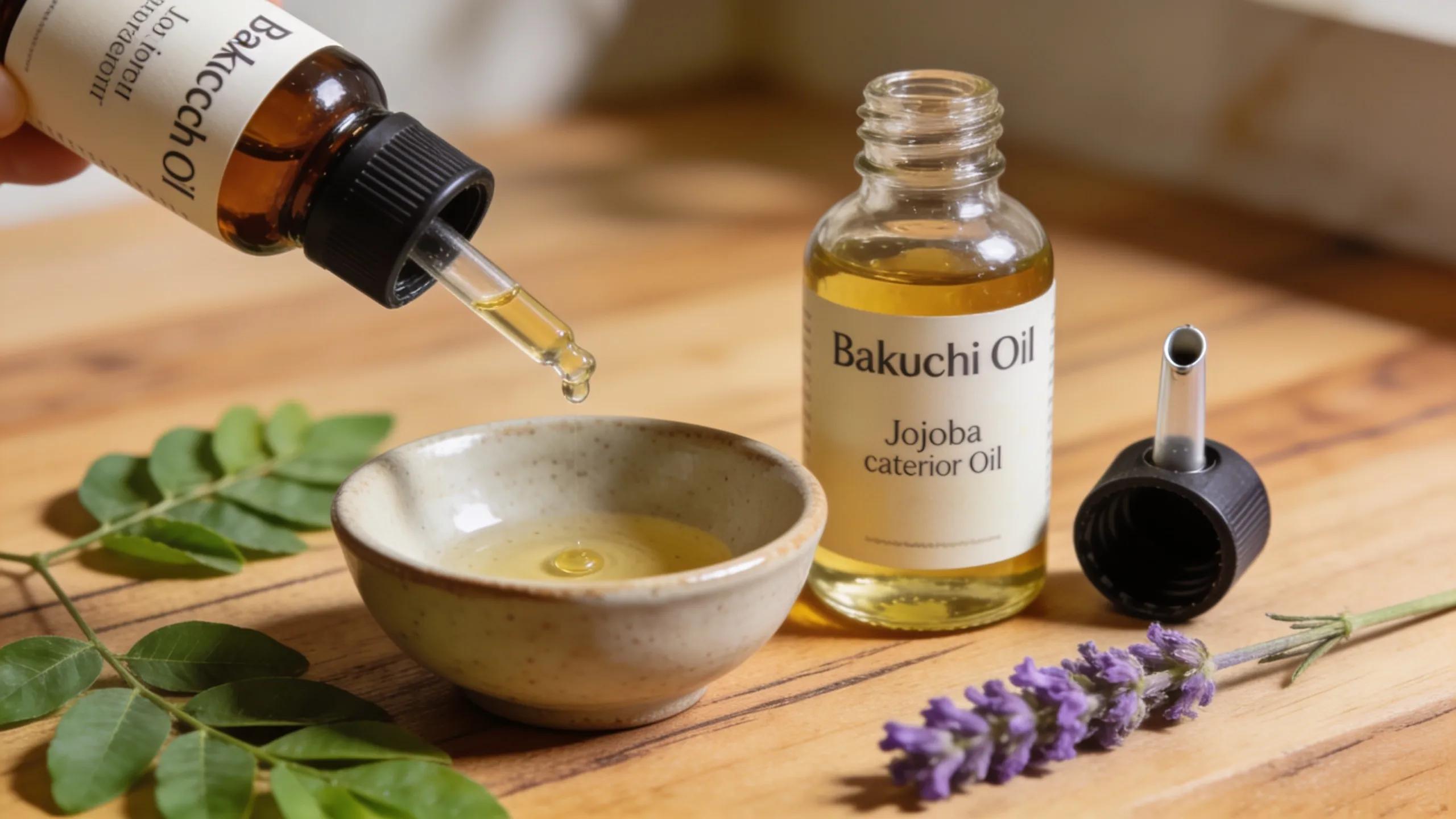
To integrate bakuchi oil effectively into your skincare routine, consider the following steps:
Application Techniques
-
Patch Testing: Start with a small amount on your wrist or behind your ear to gauge any reactions.
-
Mixing Ratios: Combine bakuchi oil with a compatible carrier oil if you have very sensitive skin.
-
Optimal Times: Apply in the evening for best results.
For enhanced results, pair bakuchi oil with hydrating moisturisers, gentle cleansers, or soothing toners designed for sensitive skin. These products help maintain skin moisture levels and support overall skin health.
What Is the Recommended Application and Frequency of Bakuchiol?
For optimal use of bakuchiol, the following recommendations apply:
-
Initial Introduction: Begin with a low frequency and increase gradually based on your skin's adaptability.
-
Optimal Application Method: Apply a few drops after cleansing and before moisturising.
-
Frequency: For most users, 2-3 uses per week can lead to noticeable improvements.
Can Bakuchiol Be Combined with Other Skincare Ingredients?
Bakuchiol can generally be combined effectively with other skincare ingredients. Some complementary ingredients include:
-
Hyaluronic Acid: For added hydration and plump skin appearance.
-
Vitamin C: To enhance brightening effects and provide antioxidant protection.
-
Peptides: To further support skin firmness and encourage renewal.
However, it is wise to avoid combining bakuchiol with strong actives until you understand how your skin reacts.
Where and How to Buy the Best Bakuchi Oil Products in Australia?
When you're ready to bring bakuchi oil into your routine, it's worth buying from a retailer that specialises in pure, plant-based skincare and can tell you exactly where the oil comes from. Australian Oils of Nature offers Bakuchi (Babchi) Oil sourced with that same purity-first approach, so you know exactly what you're putting on your skin. Shopping directly from a specialist means easy access to detailed product information and friendly guidance if you have questions about getting started.
Which Australian Brands Offer Organic Bakuchi Oil?
A handful of Australian brands focus on high-quality, plant-based bakuchi oil, and Australian Oils of Nature is one of them, offering Bakuchi Oil drawn from carefully selected botanical sources with no unnecessary additives. When comparing brands, look at how openly they share their sourcing and production practices, as this generally says a lot about the quality you can expect.
What Are the Australian Regulations for Bakuchiol Skincare?
Australia has strict regulations on skincare products to ensure consumer safety. Bakuchiol products must comply with safety standards set forth by regulatory bodies. Checking for compliance labels on products is a simple way to get a general sense of the quality and safety behind the ingredients.
What Are the Common Side Effects and Considerations of Using Bakuchi Oil?
While bakuchi oil is generally safe for use, some considerations include:
-
Patch Testing: Important for avoiding adverse reactions.
-
Dilution for Sensitivity: Adjust intensity based on your skin's response to minimise irritation.
-
Monitor Skin Responses: Observe how your skin reacts with regular use; adjust accordingly.
What Are Potential Allergic Reactions or Skin Sensitivities?
Allergic reactions to bakuchi oil, while rare, can occur. Individuals with allergies to plants in the legume family should exercise caution. It's advised to discontinue use immediately if any adverse reactions develop.
How Does Bakuchi Oil Compare to Retinol in Side Effects?
Bakuchi oil presents significantly fewer side effects than traditional retinol, such as irritation, redness, and peeling. This aspect makes it an excellent option for sensitive skin types eager to reap the benefits of a gentle yet effective skincare ingredient.
Why Is Bakuchi Oil the Rising Choice in Australian Natural Skincare?
Bakuchi oil’s rise in popularity can be attributed to the increasing cultural shift toward natural, plant-based skincare options. As consumers become more aware of the potential adverse effects of synthetic ingredients, they are gravitating towards gentle alternatives that offer genuine results without the drawbacks.
What Are the Benefits of Plant-Based Retinol Alternatives in Australia?
Plant-based retinol alternatives, like bakuchiol, provide significant advantages, particularly for sensitive skin. They present reduced irritation and allergic reactions, durability for daytime use, and consistently beneficial anti-aging effects throughout the day.
How Is Consumer Demand Shaping Bakuchi Oil Popularity?
The demand for natural skincare products continues to evolve as consumers gravitate toward sustainable, effective ingredients. Bakuchi oil responds to this trend by meeting consumer needs for gentler alternatives in their skincare routines, contributing to its growing market presence.